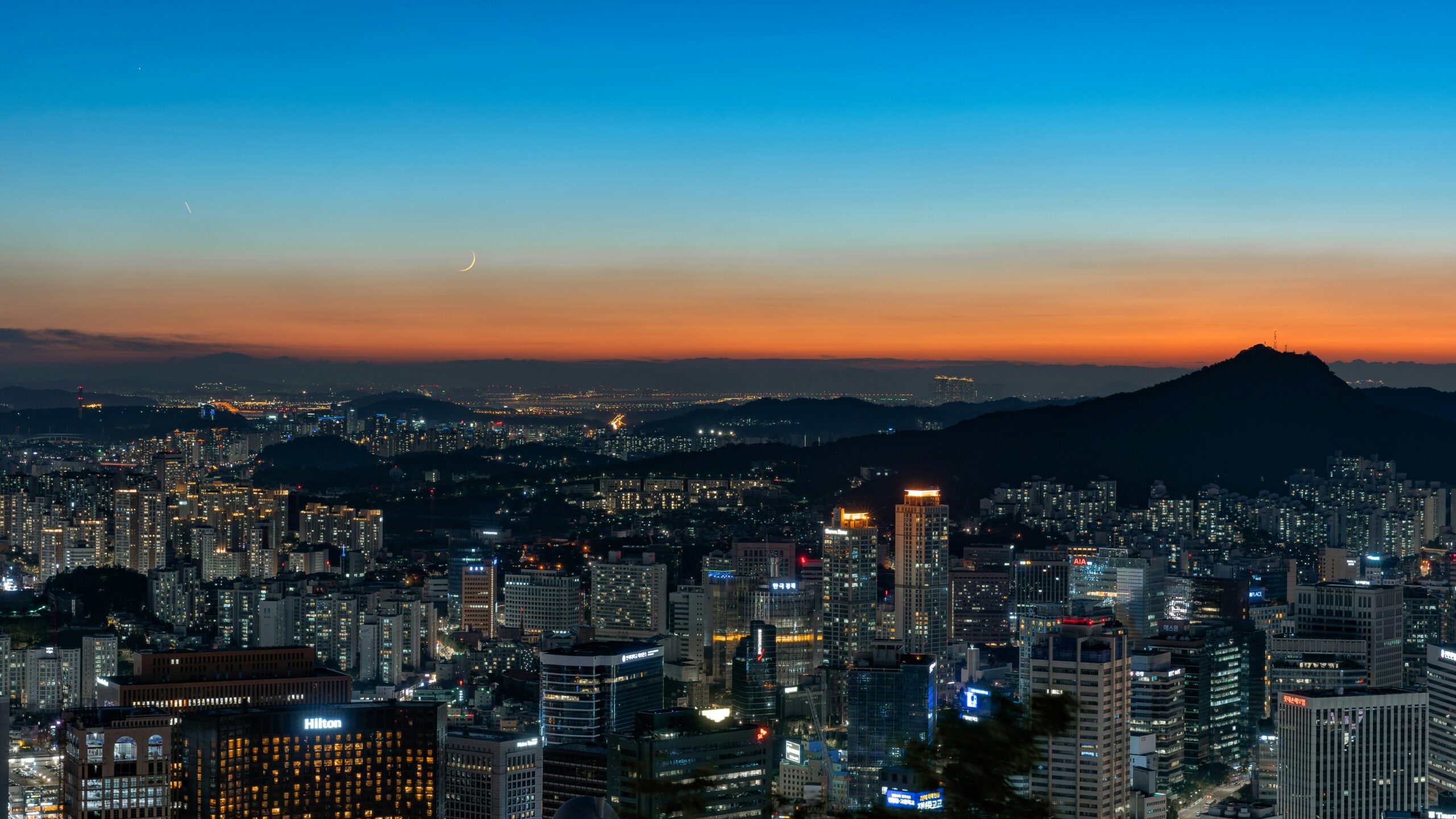

Seoul completely surprised me. I arrived with zero expectations, and left with a new favourite city. Skyscrapers and state of the art shopping malls rise up beside tumbling traditional villages, and the whole bustling metropolis is balanced with a quiet sense of calm. This is my honest, field-tested Seoul report – how to arrive without stress, the tips and tricks to make wandering effortless, and what’s genuinely worth your time. Have a skim, and get wandering.
Katie’s verdict
Come hungry.
Bulgogi. Kimchi. Bibimbap. So many more you haven’t heard of. If anything, extend your stay just to fit in more delicious bites.
Before you go
The Practical Parts
ArrIVAl and departure
From the airport
Most visitors will arrive into Incheon International Airport (ICN). The airport is around 45 minutes via the Airport Railroad Express (AREX). Download Kakao to grab a taxi for an easy journey to the city.
Getting around
Public Transport
Public transport in Seoul is very easy to use. Google Maps doesn’t work here, so make sure to download Kakao and/or Naver, and keep Google Translate downloaded and handy.
BEst Time to visit
Year-Round
Seoul has appeal all year, but I’d recommend the shoulder seasons. I visited in March, which was lovely. Summer can be very warm while winter is VERY cold, although it’s the perfect time for cosy cafes!
Don’t miss
Start Right Here
Three spots you absolutely must see for a flavour of Seoul.
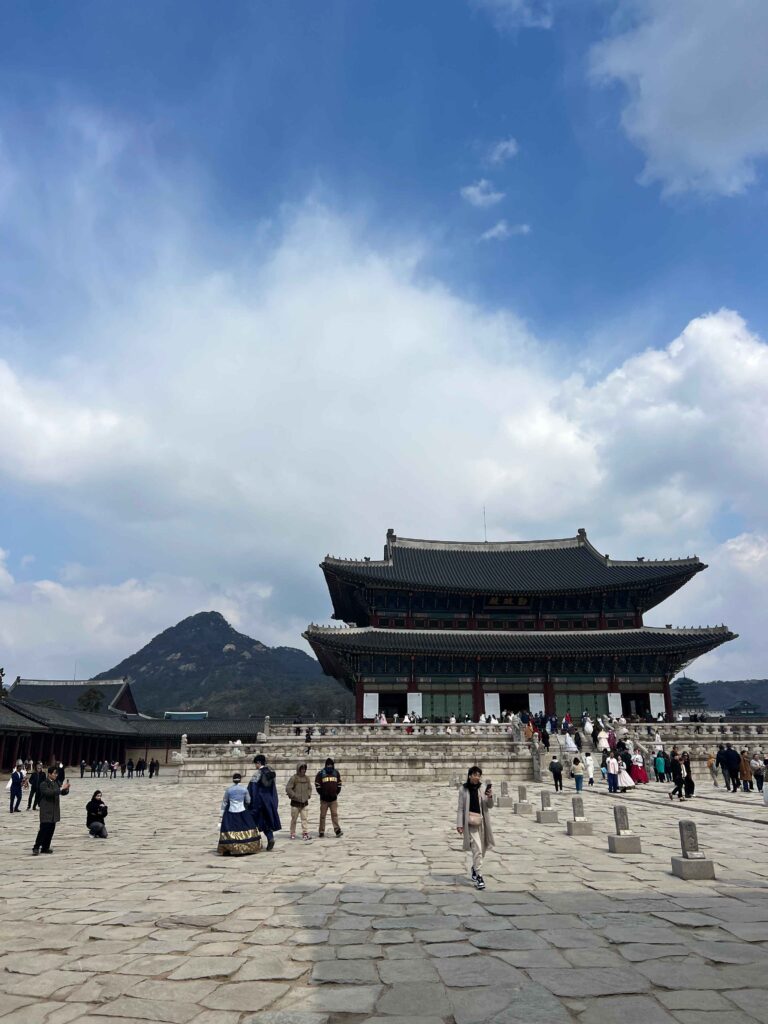
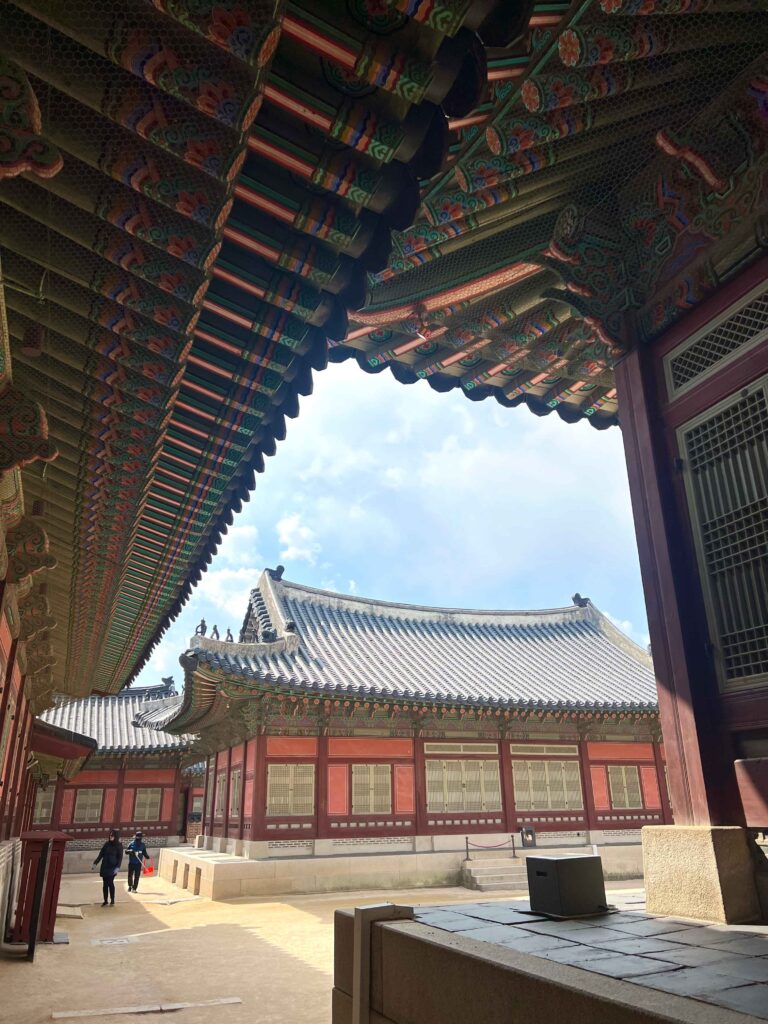
Gyeongbokgung Palace
Built in 1395, Gyeongbokgung Palace is the largest in Seoul. This is a great place to start, and if you only saw this one you’d leave with a wonderful experience of South Korean architecture. You could easily spend upwards of three hours here, and wander on for more history with the National Folk Museum and the National Palace Museum.
Note the Palace is closed and Tuesdays and aim for the changing of the guard at 10am and 2pm.
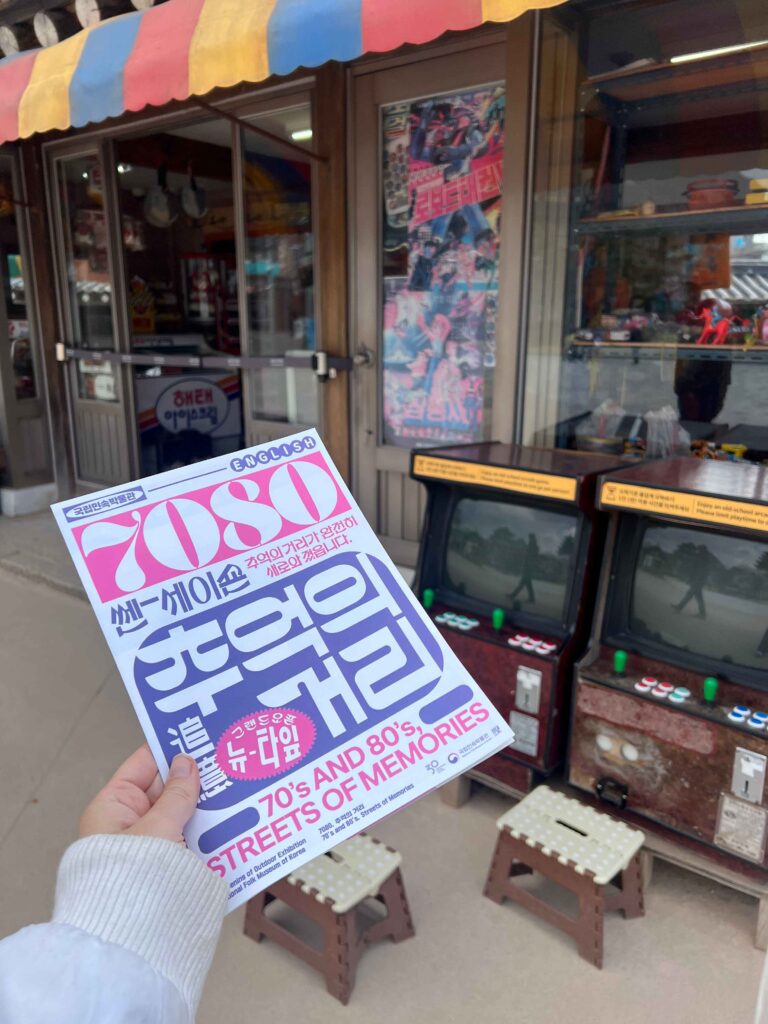
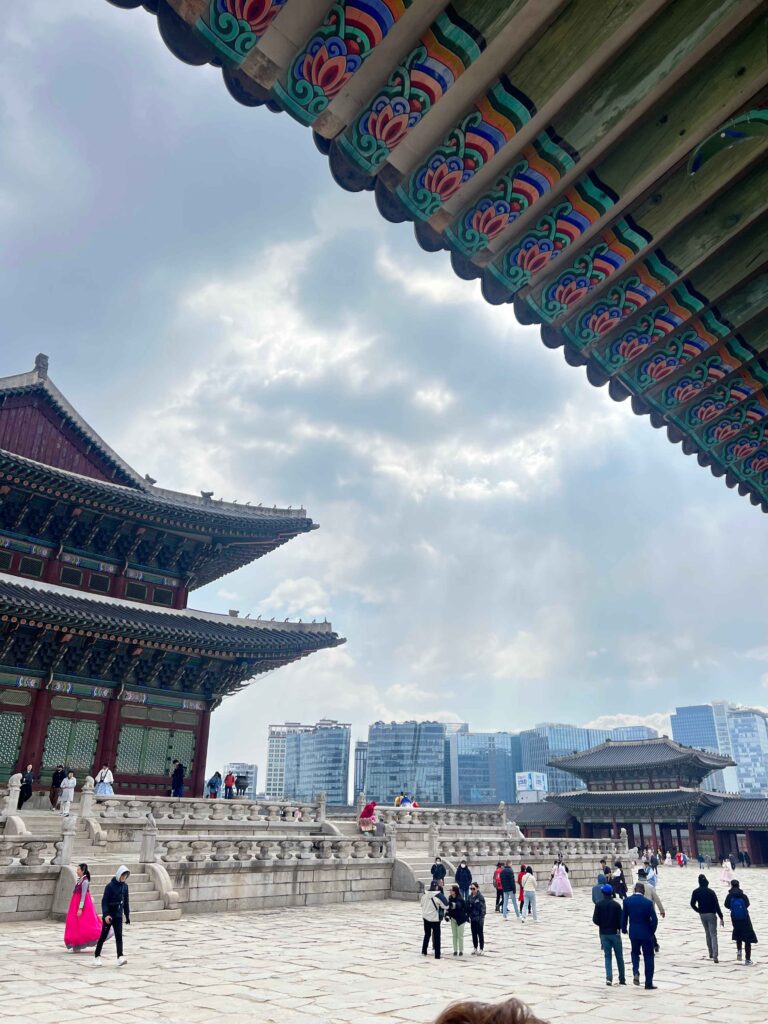
Bukchon Hanok Village
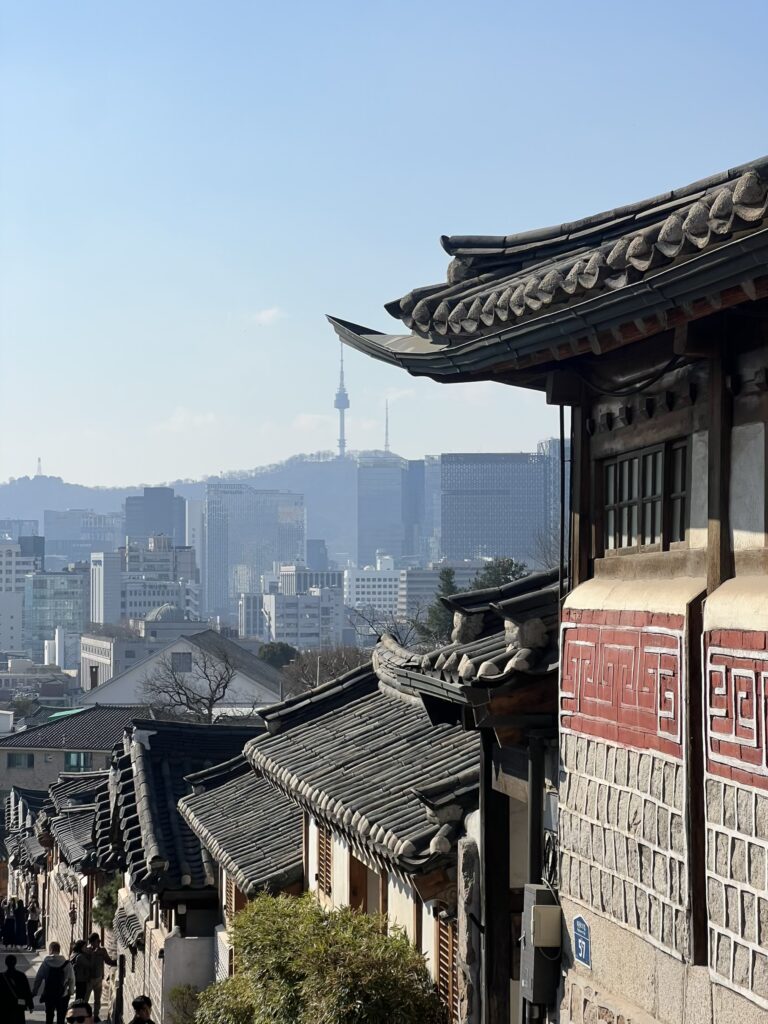
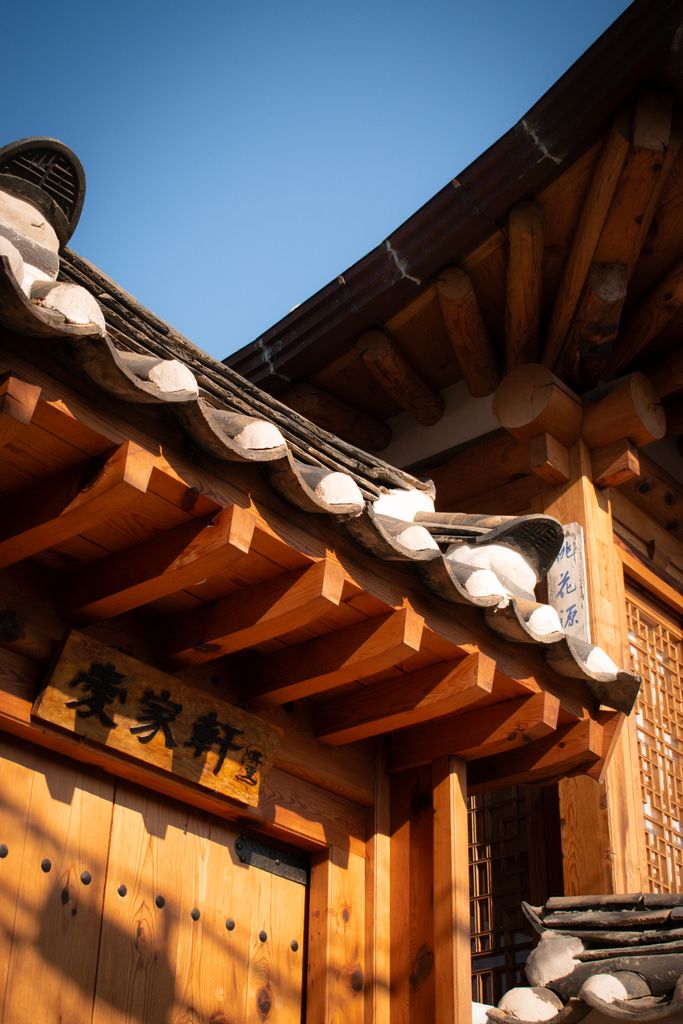
I absolutely loved wandering the Hanok villages of Seoul. They really reminded me of Gion in Kyoto, but so much quieter and honestly I found them more charming.
Bukchon Hanok is the most well-known, and for good reason. This is a great place to start because there’s such a wealth of spots to explore in one area.
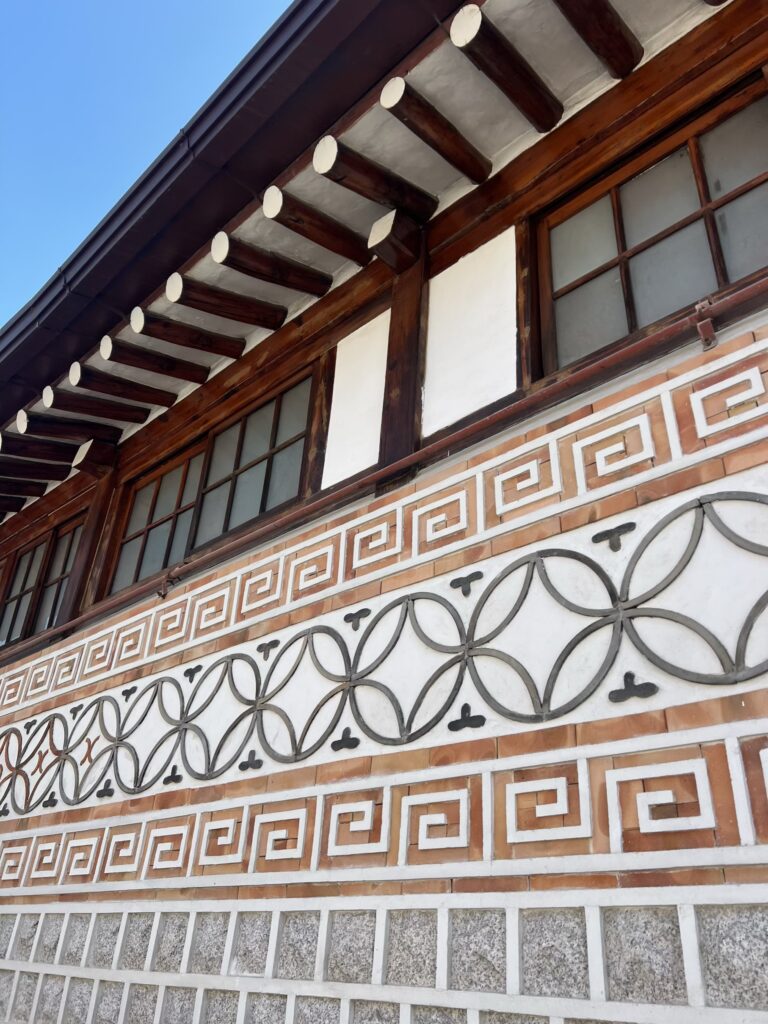
Start at the Bukchon Traditional Culture Centre (37 Gyedong-gil, Jongno-gu, Seoul) to learn about the history and explore the architecture. Make sure to pick up your free map of the area. Nearby, the Traditional Experience Centre offers various cultural experiences throughout the week, like gold leaf bookmark classes.
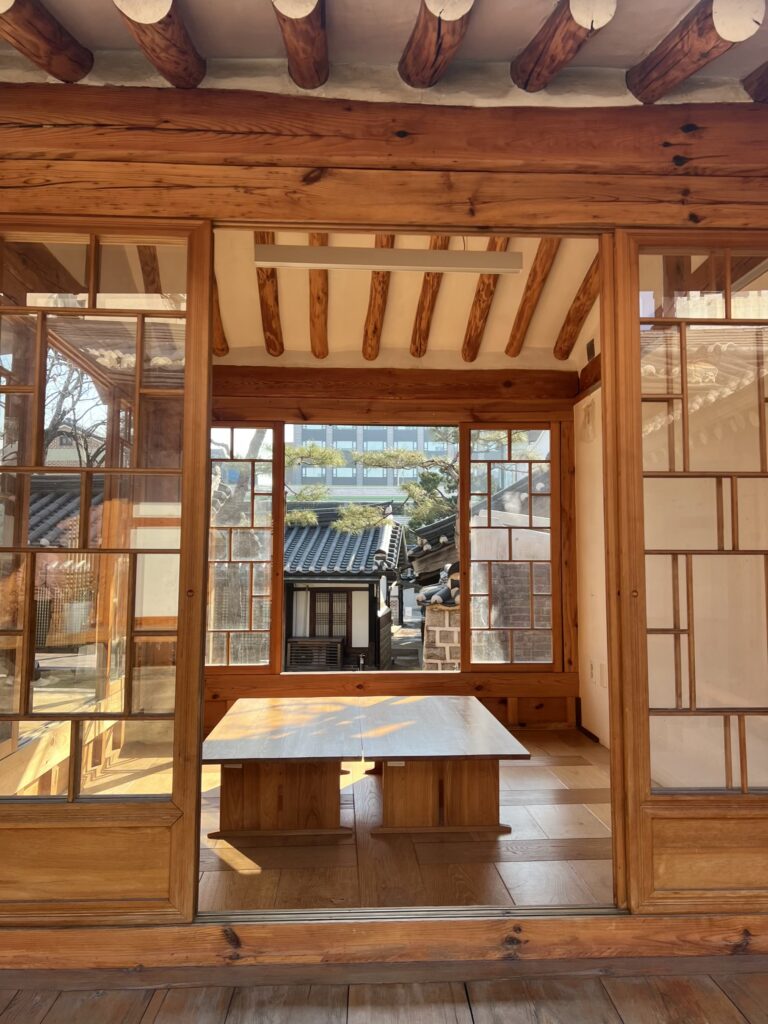
From here, include the House of Baek-Inje – located within Bukchon, this is a representation of a hanok blended with modern architecture.
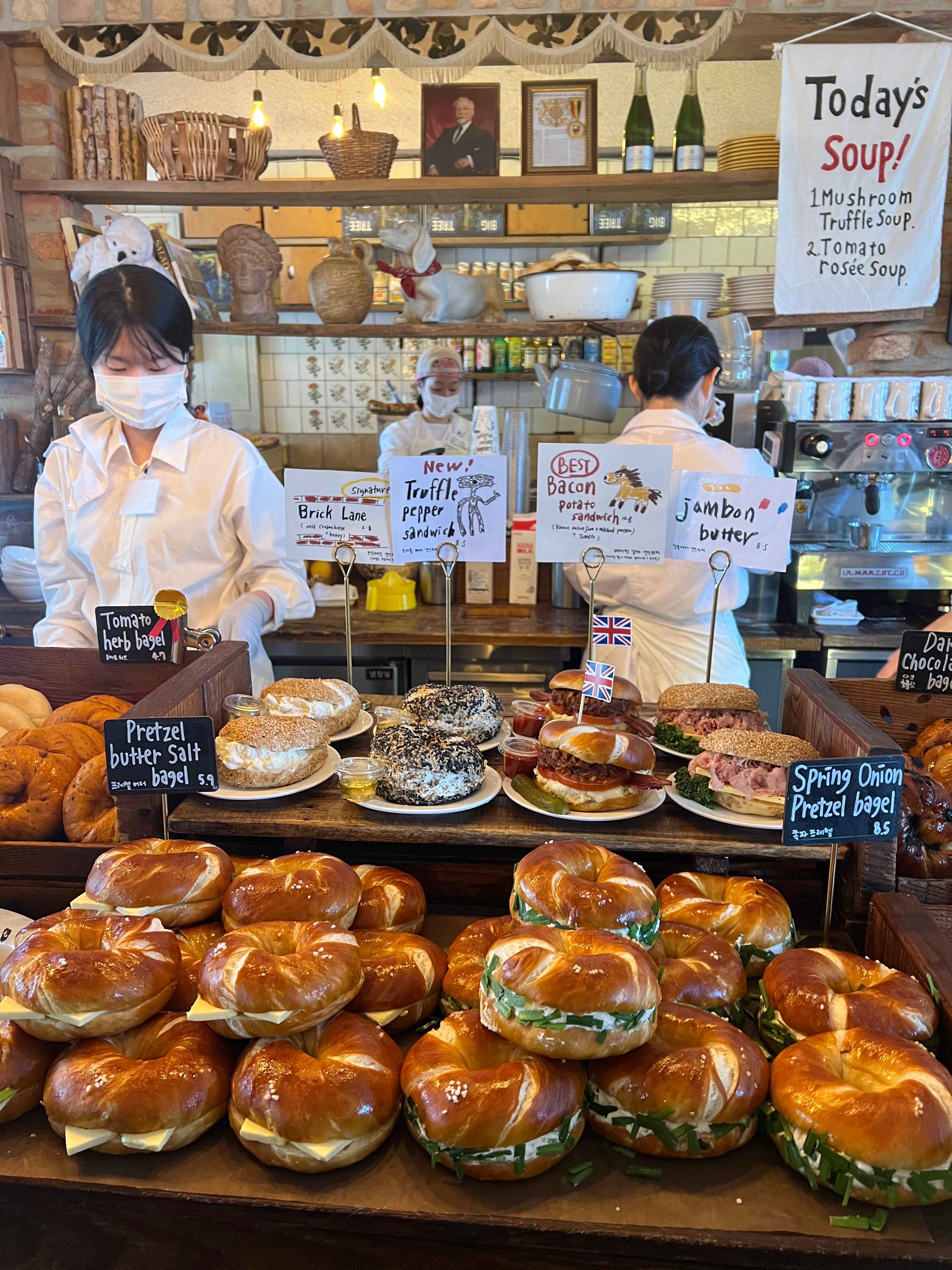
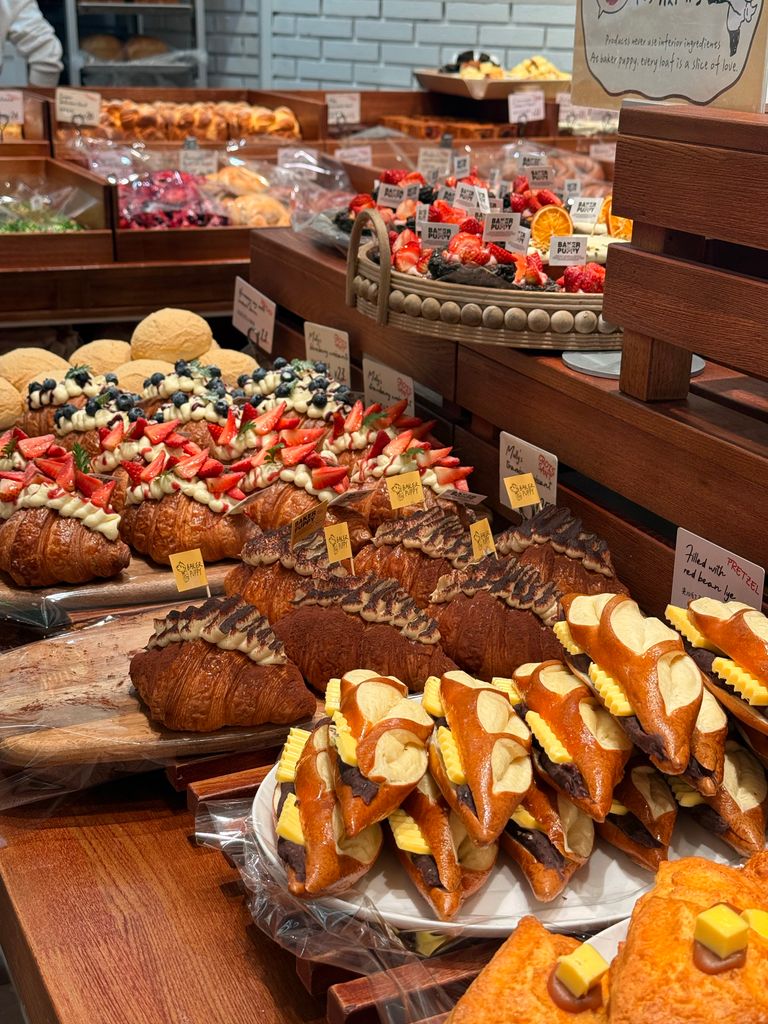
If all this exploring has worked up an appetite, head to The London Bagel Museum (random name, incredible bagels – see picture) and Perment Bake Shop – I still dream of their bacon and cream cheese scroll (just trust me).
Gwanjang Market
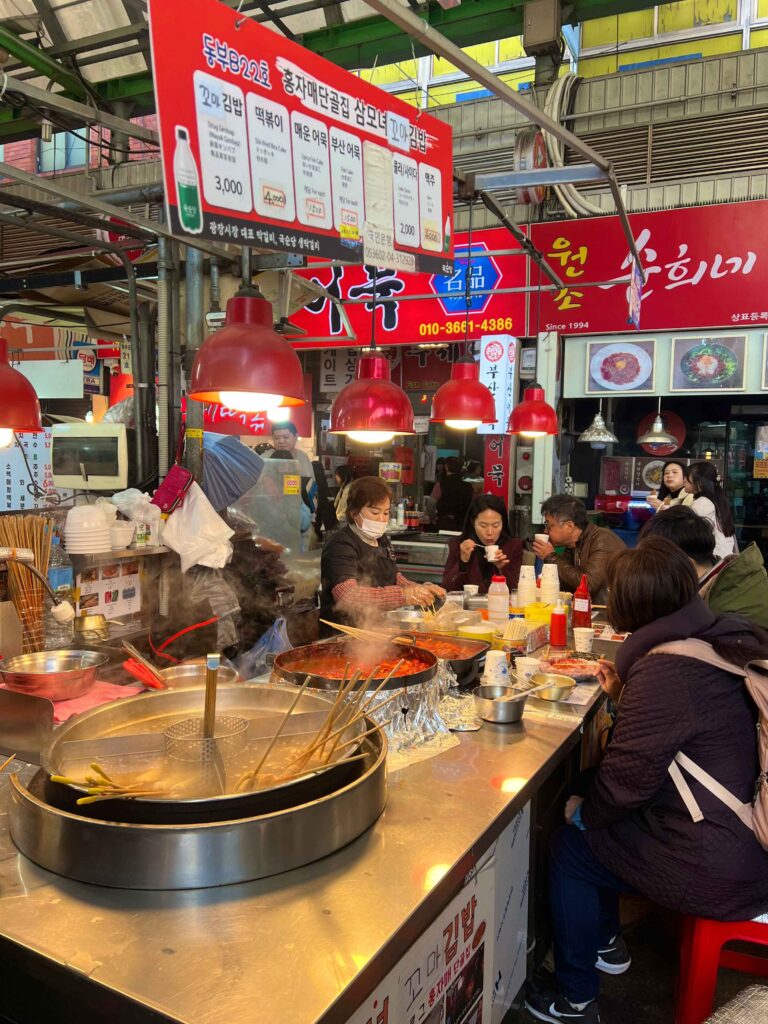
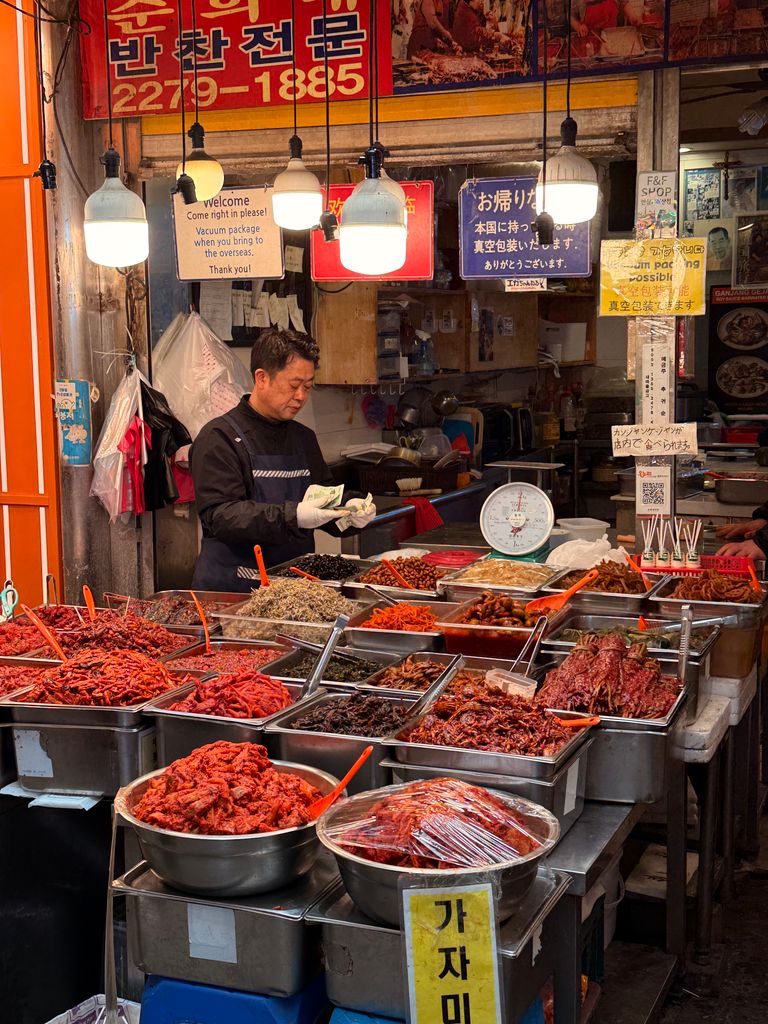
It wouldn’t be right to create a Seoul ‘must-see’ without a foodie stop. Food-wise, this is a great starting point to try lots of iconic Korean plates as well as discovering some new favourites. Founded in 1905, Gwangjang is known as the oldest active market in South Korea!
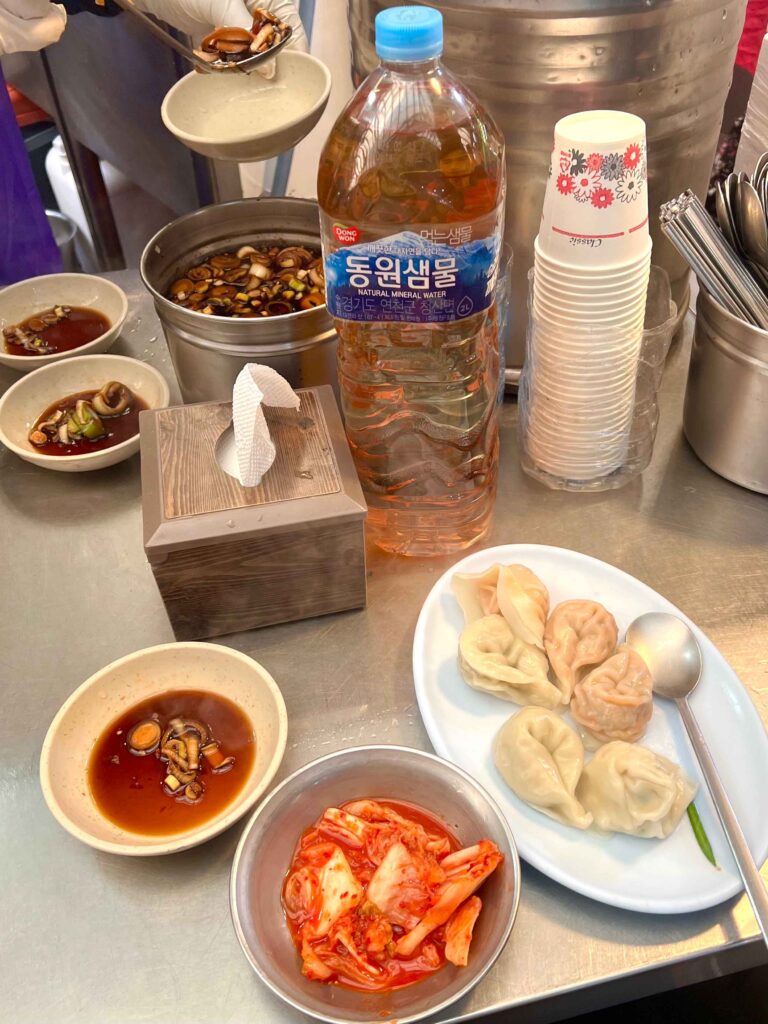
I was a little overwhelmed, I confess, so I started at the stall made famous on Netflix. Tourist-y, yes, but delicious and a comfortable start. I struck up conversation with the American tourist next to me, and ordered the same as him. In the chilly March air, the steam and scent as the dumplings arrived in front of me was amazing. Writing this now, I can almost taste them again!
My advice would be don’t over-think it – pick somewhere that looks good, and get set up. A few strong options:
- Tteokbokki – something I always order when I find it since visiting Korea! Sticky, almost glutinous rice dumplings cooked in a thick red chilli sauce. They’re often slightly sweet, reminding me of a rose or sundried tomato-type pasta.
- Gimbap – essential Korean bite, rice and pickled veggies rolled up inside seaweed. Addictive!
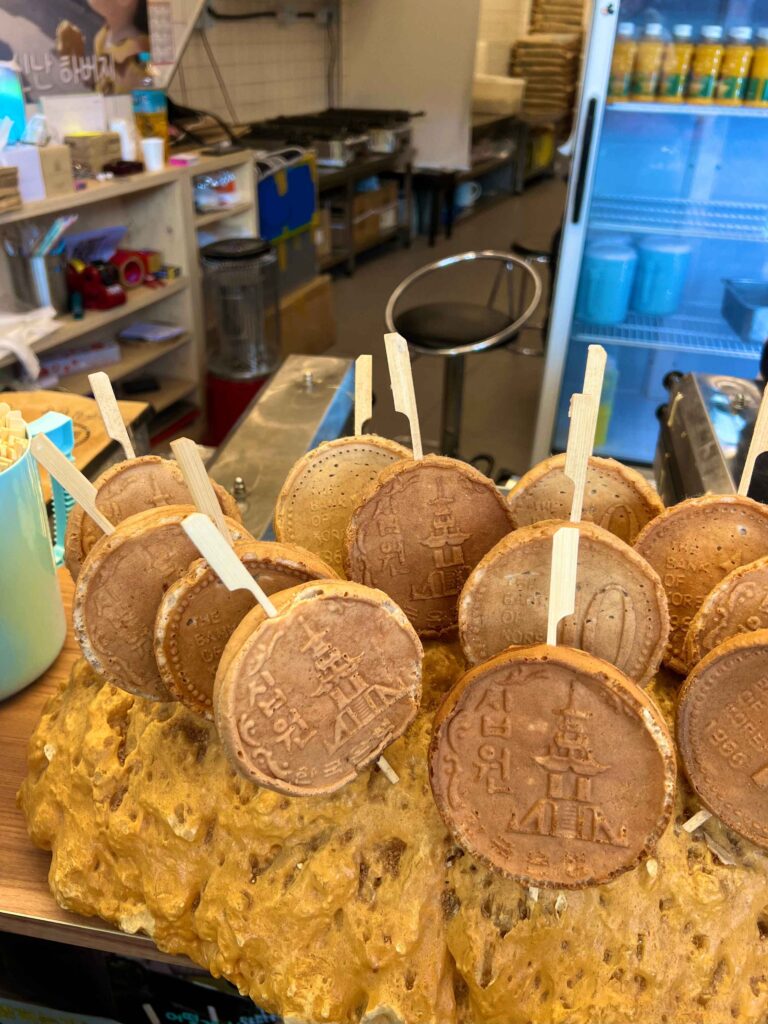
- Cheese Coins – crispy fried coins with melting mozzarella on the inside. Simple and delicious.
- Bindaetteok – mung bean pancakes fried in oil, chopped up and served with kimchi.
Where to lay your head
Sleep Right Here
The splurge
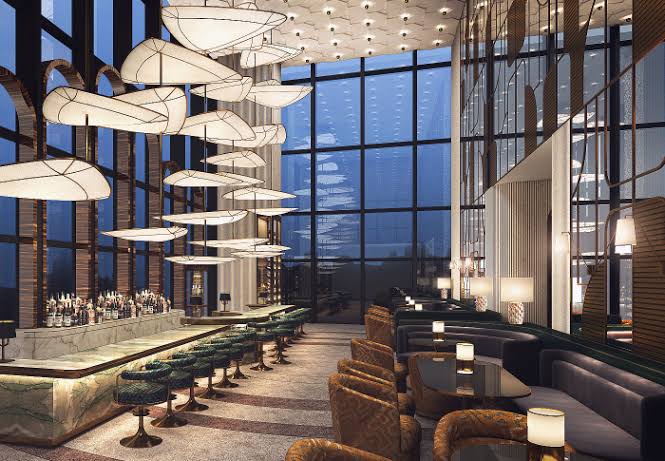
Josun Palace
Gangnam · quiet luxury
Hushed, impeccable, with the best service in the city. Worth it for a special trip.
$$$ – from £800 per night
The sweet spot
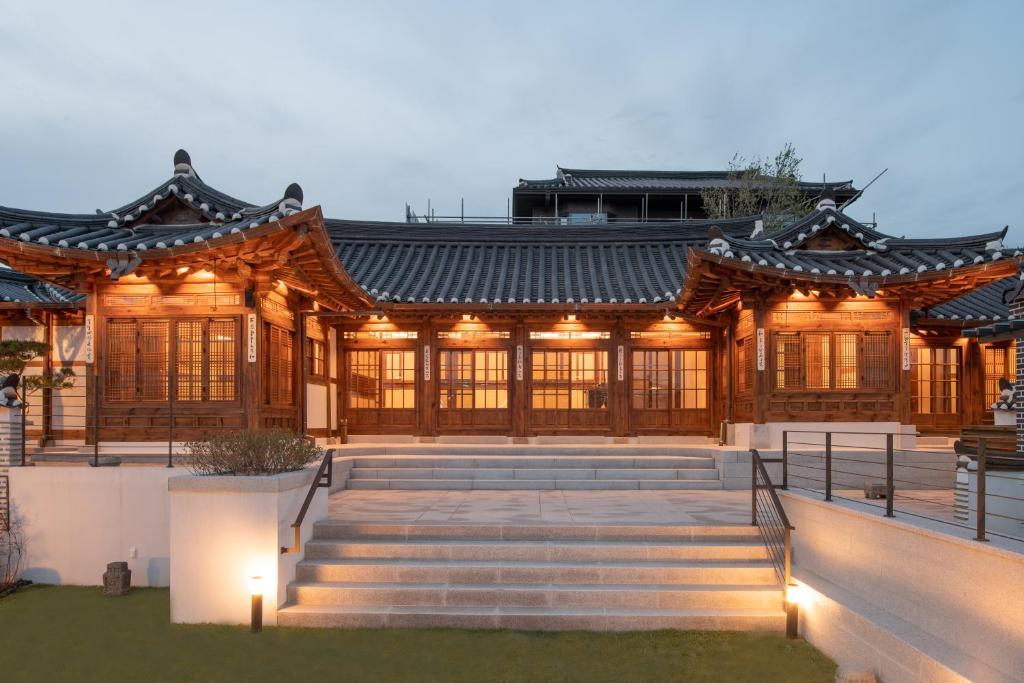
Bukchon Binkwan by Rakkojae
Bukchon · immersive stay in a traditional hanok village
A charming meditation themed hanok stay with beautiful views over the village, originally built in the 1930’s.
$$ – from £200 per night
The smart steal
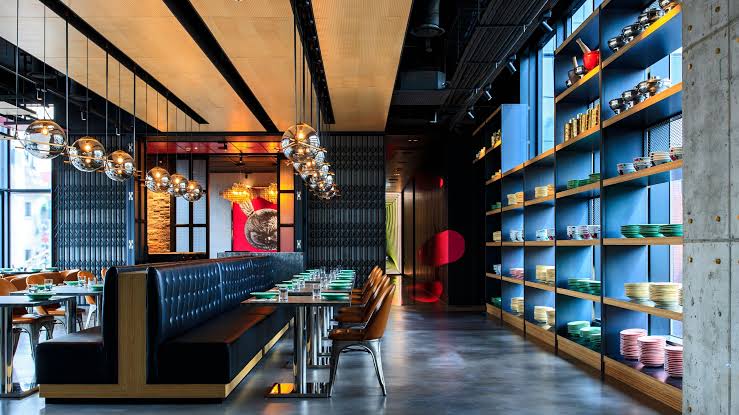
RYSE, Hongdae
Hongdae · creative & social
Artful and walkable, in the buzziest neighbourhood for coffee and nightlife.
$- from £75 per night
by mood
Wander where you feel
Seoul deserves more than a route-march. This list is designed to make the itinerary work for you, not the other way around.
When You’re Hungry
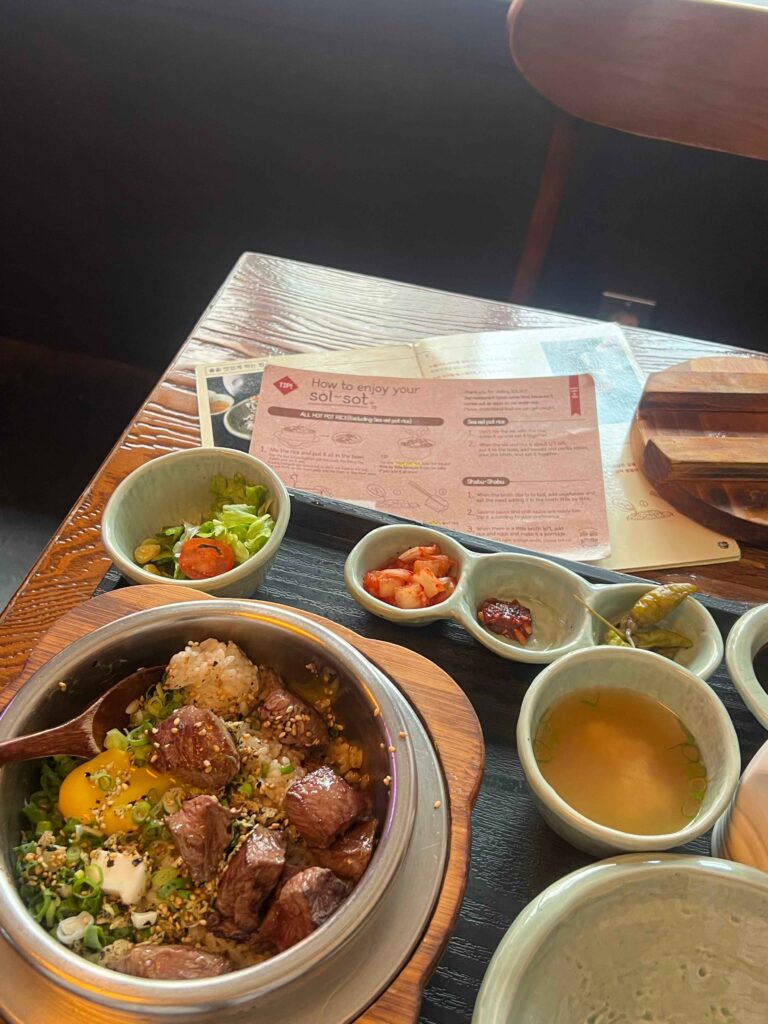
Assuming you’ve ticked off Gwangjang, next head to Ikseon-dong Hanok Village. This compact Hanok is a bustling enclave of traditional architecture nestled within the cities skyscrapers. I enjoyed Solsot Pot Rice House (Jongno District, Samil-daero, 30-gil). This popular restaurant specialises in hot stone pot rice – the rice becomes crispy at the bottom and you can choose your protein such as chicken, eel, beef, abalone and more.
You can see in the picture they helpfully provide instructions, along with a cup of miso soup and a set of accompaniments. It took me looking confused and a helpful waiter assisting to find out the cutlery is hidden away in a drawer in the table!
After your delicious lunch, head into the tumble of alleyways in search of a sweet treat. I headed to Hanok Langsom Ikseon (Jongno District, Supyo-ro 28-gil, 21-61). The tranquil setting is designed as a traditional hanok with a beautiful courtyard and a lovely selection of drinks and cakes.
When You’re Lively
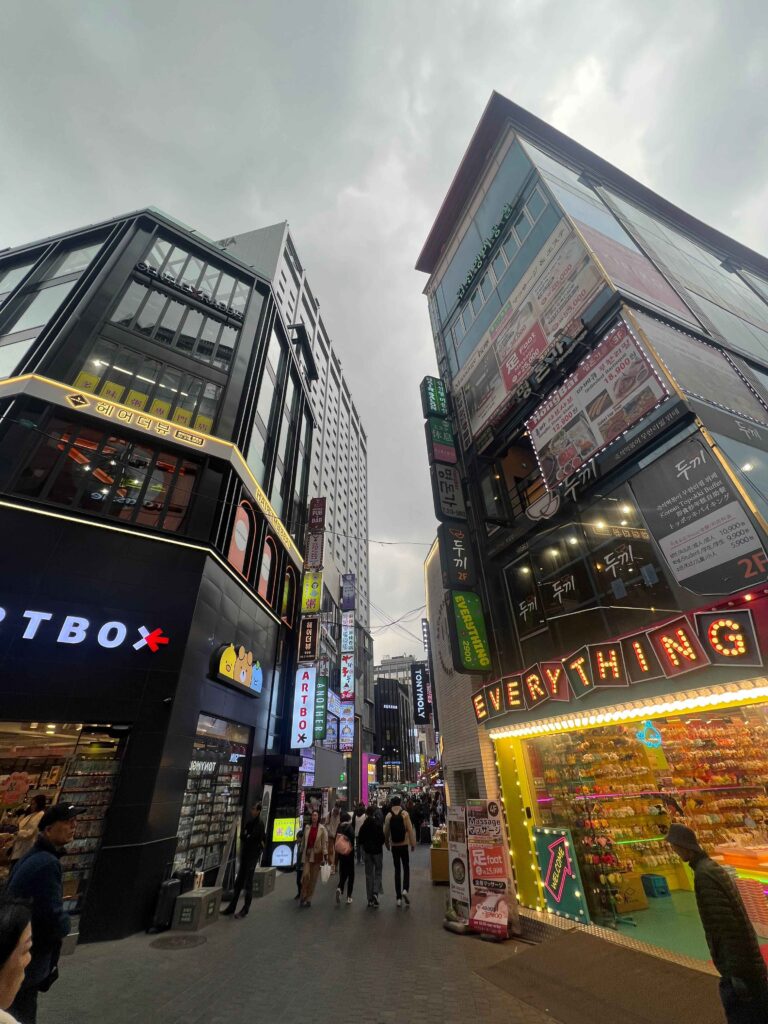
Myeongdong is a mecca for all things shopping and bright. It’s overstimulating in the best way. Many famous brands have their flagship stores here, such as Olive Young and UNIQLO, as well as nearby LOTTE Department Store and Shinsegae Department Store. Fitting with Korea’s late-night culture, streets are lively until late with shops open until 10pm. After 3pm, the night market starts up, with lots of delicious treats to try. I loved the electric atmosphere, you could probably wander for a life-time and never uncover all Myeongdong’s hidden corners.
Hongdae is the lively university district, filled with shopping, street performances and nightlife. The creative energy of the universities has shaped Hongdae’s energy – apparently it’s changed a lot in the last ten years, but it’s still as vibrant as ever. Head to Hongdae in the late afternoon onward, as there’s less happening in the early morning except perhaps the last of the previous nights’ revellers (entertaining in itself). Head to Hongdae to shop, eat and drink! My favourite vintage shops where Vintage Santa, OmniPeople and SEOUL Vintage, and I was really amused by the quirky Harry Potter themed 943 King’s Cross.
When You’re Curious
Set aside some time in Korea to try something new – there’s plenty to learn and try your hand at. I’d suggest:
Make kimchi. Take a class and leave with a jar of your own, plus the know-how to re-create at home. One of the most popular is the Korean Kimchi Class at Seoul Kimchi Academy, held conveniently in a cooking studio in Bukchon Hanok Village.
Take tea, properly. Heesum Tea Room offers a “true Hands-On Korean tea experience” sharing a “spiritual journey rooted in a lifetime of practice”. I always find culture is best shared through dining,
Wear the hanbok. I was a little shy solo to rent a hanbok, but I wish I had! I definitely will next time. Everyone looked so pretty and you get free entry to the palaces. There’s lots of shops around the major palaces and hanok villages where you can rent an outfit – a tip I heard is to pick one near to where you want to take pictures, so you make the most of your rental time. I’m usually hesitant to engage in tourism that can feel like “cosplaying” a culture, but this seemed genuine and well-received locally.
When It’s Souvenir Time
By this point, your suitcase is probably full of souvenirs, but make sure to leave some room after an afternoon in Seongsu-dong. Often coined “the Brooklyn of Seoul”, Seongsu-dong is a former factory quarter now home to concept stores, independent boutiques, pop-up shops and quirky cafes. There’s always a range of different brand activations to discover – for me it was a skincare walk through with free samples. Head to Common Ground – a collection of pop-ups made up of 200 shipping containers (making it the largest container shopping mall in the world, although I wonder what the second largest would be).
For something quite different, The Hyundai Seoul is perhaps the most beautiful (and peaceful) shopping centres I’ve ever visited. The shops wrap around a sunlit indoor garden, where window shopping is just as fun as actually opening your wallet.
When You’re Weary
Seoul is known as a paradise for beauty and skincare fans. When I visited, the global craze for Korean skincare, but now it’s a phenomenon with everyone looking for that iconic “glass skin” look. I was intrigued to try a few of these famous treatments myself, with plenty of skincare to take home, of course. Here’s where I visited for a post-Korea glow-up:
- Manda Studio (57-94 Mangwon-dong, Mapo-gu, Seoul): got a beautiful lash lift for a much more reasonable price than in Sydney.
- MOClock Salon (2F, Hollys Coffee Ship, 520 Gangnam-daero, Gangnam District): Korean scalp care experience – I’m not sure this was as ‘wow’ as I anticipated, but my scalp did feel lovely and fresh afterwards.
- Soonsiki Hongdae Flagship Hair Salon (29 Wausan-ro 21-gil, Mapo-gu, Seoul): literally the best haircut ever my hair was so smooth and shiny after! The staff were super friendly and lovely too, very understanding of my complete lack of Korean.
- Muse Clinic Gangnam (2nd-5th, 452 Gangnam-daero, Gangnam District): it was really overwhelming picking a skin care clinic! I read lots of reviews and went with this one, and didn’t go for anything too invasive. It was so much more affordable than Australia – one thing I noticed was it’s much more…clinical than any spa/skincare place in Australia. This is about efficiently getting you in and out, with no pretense that these uncomfortable experiences are relaxing (but I suppose beauty is pain!). I did an AquaPeel and InMode FX – can’t say there was a huge difference in my skin but I definitely had a glow afterward.
A little wander through